Romana Petri lives in Rome. His works include Wherever I Am (2008), Ti spiego (2010), Le serenate del Ciclone (2015, Super Mondello and Mondello Giovani prizes), Il mio cane del Klondike (2017), Pranzi di famiglia (2019, The Bridge prize), Figlio del lupo (2020, Comisso prize and Anna Maria Ortese-Rapallo special prize), Heart of Fury (2020), The Representation (2021), Monstrous Motherhood (2022), Stealing the Night (2023, in the finalist five of the 2023 Strega Prize), All About Us (2024), The Girl from Savannah (2025), and Safe Distance (2026).
Translator and critic, she contributes to Io Donna and Corriere della Sera. Her novels have been translated in England, the United States, France, Spain, Serbia, the Netherlands, Germany, and Portugal (where she lived for many years).
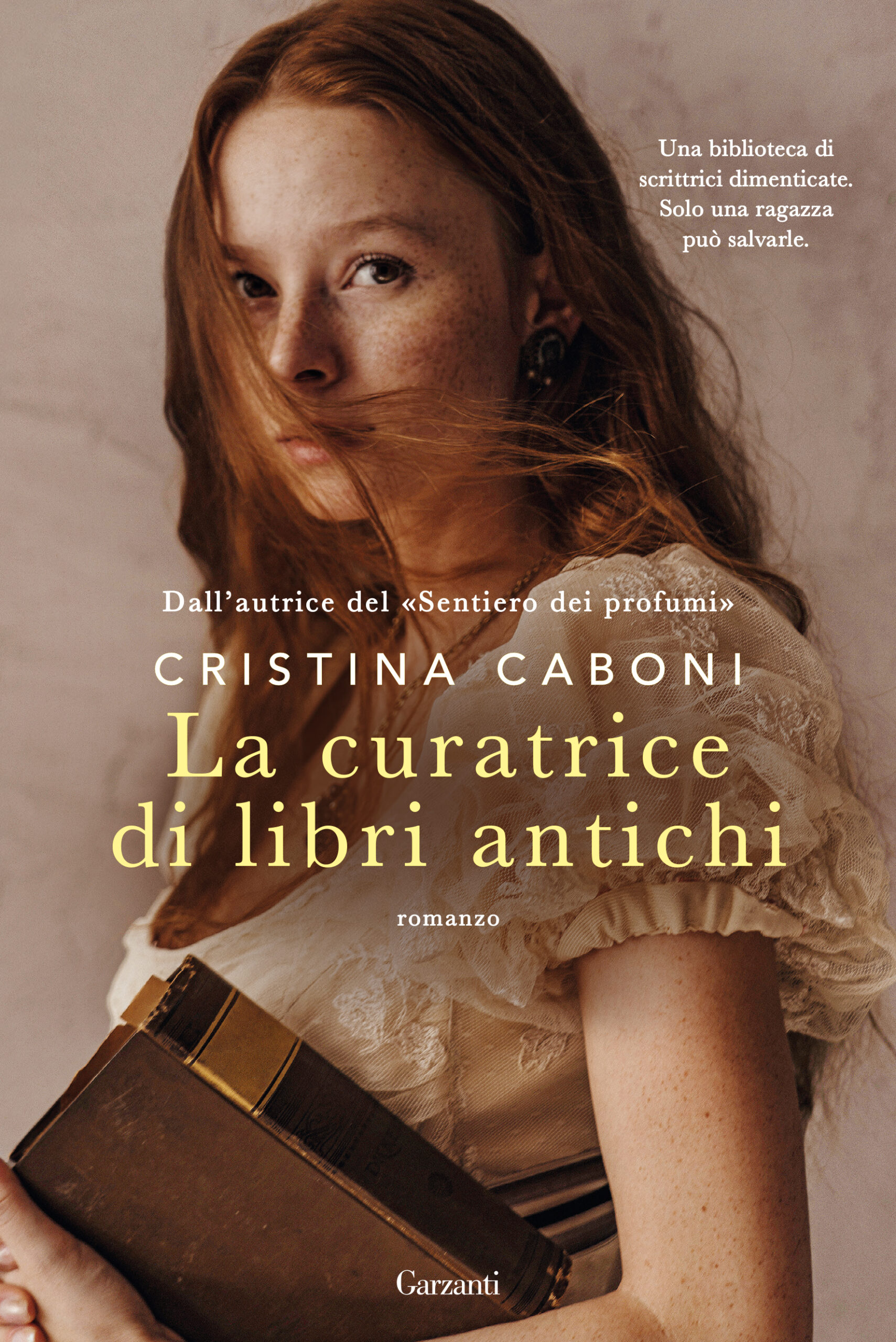
A forgotten library. The voices of women history has tried to erase. And a young expert in ancient books who discovers, among those pages, a secret that concerns her own family.
Seventeen stories of cults and their leaders, shaped by fascination, manipulation, and violence. Stefano Nazzi takes us into the darkness of closed and impenetrable communities, where charisma can turn into power and a leader’s word can become law. A journey into mind control and the dynamics that can transform belief into crime.
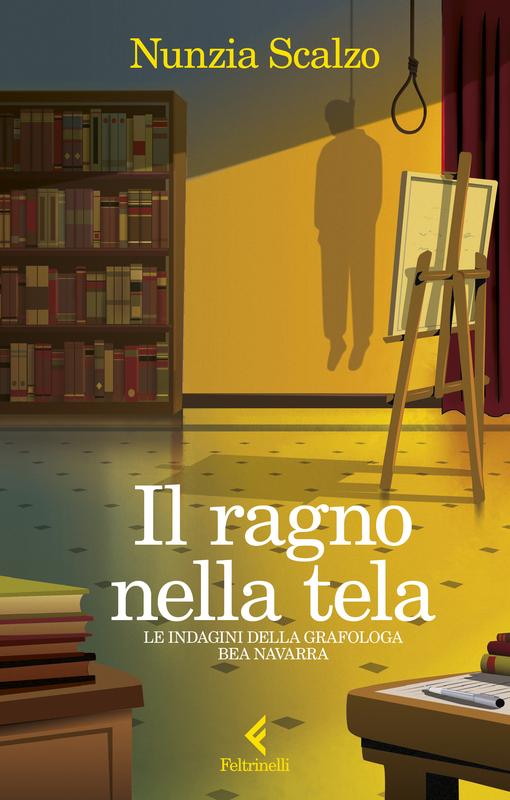
A disturbing message discovered behind a painting. A family shrouded in grief and silence. An isolated villa nestled among the Sicilian hills, hiding far more than it is willing to reveal. Stroke by stroke, Bea Navarra follows the thread that binds past and present like a spider’s web, venturing into a story where nothing is truly as it seems and every truth appears to conceal another.
In a storm-lashed corner of Garfagnana, a body discovered inside a confessional sets off an investigation where faith, heresy, and dark rituals become dangerously entwined. Among lost manuscripts, arcane symbols, and secret societies, Marcello Simoni leads Vitale Federici and the young Bernardo della Vipera into an increasingly perilous mystery, where every truth seems to conceal an even deeper deception.
Hidden among the buildings on the outskirts of Naples lies a nursery that seems to hold its breath. Lorenzo returns there after many years, at a time when his life is measured only by what is no longer there. There he meets Renato, who, asking for nothing in return, offers him the two things he needs most: work and friendship. Among geraniums, bonsai, ivy, begonias, and orchids, Lorenzo discovers that a cut stem can never return to what it once was, yet it still carries the memory of what it has been — and that life can begin again precisely from those wounds. His life too.
Amid rooms heavy with memory and relationships worn down by time, Valeria Usala weaves together lives that seem distant yet share the same fragile solitude. Through small gestures, the cracks of routine, and unspoken words, a young woman discovers that preserving other people’s past is not enough to build her own future. And so, just when everything seems to be falling apart, the possibility of a new beginning begins to emerge.
Ludovica Elder tells the story of a woman who leaves her country behind and, with the courage to start afresh, discovers herself and learns to choose who she wants to be.
Ten years after its first publication, “Non è la fine del mondo” returns to bookstores with a new foreword by the author and an unpublished scene, to mark the release of the film.
Perhaps there is no distance capable of shielding us from the explosion of a love that ends. Luciana and Vasco are both suspended, facing a crossroads: to let go of what has been and be reborn into life like butterflies, or to remain trapped in the past, in resentment, like eternal chrysalises.
Venice, 1754. On the eve of the famed Feast of the Redeemer, a series of strange events leads to suspect that someone is plotting a coup d’état. Marco Leon, still recovering from a serious wound sustained months earlier, longs to return to active duty and join the investigation but. concerned for his health, Geminiani assigns him what seems a minor case: a young patrician, Guido Manfrè Veniero, has killed a household valet, and his guilt appears beyond doubt.